Buy rolemodel.eu ?
We are moving the project
rolemodel.eu .
Are you interested in purchasing the domain
rolemodel.eu ?
domain@kv-gmbh.de · 0541-91531010
Buy rolemodel.eu ?
What is alcohol withdrawal?
Alcohol withdrawal is a set of symptoms that occur when a person who is dependent on alcohol suddenly stops or reduces their alcohol intake. These symptoms can range from mild to severe and may include anxiety, tremors, sweating, nausea, and in severe cases, seizures or delirium tremens. It is important for individuals experiencing alcohol withdrawal to seek medical help, as it can be dangerous and even life-threatening in some cases. Treatment for alcohol withdrawal may involve medications, therapy, and support to help manage symptoms and prevent complications. **
"Am I experiencing alcohol withdrawal?"
If you have recently stopped drinking alcohol and are experiencing symptoms such as tremors, anxiety, sweating, nausea, or insomnia, you may be experiencing alcohol withdrawal. It is important to seek medical advice if you suspect you are going through alcohol withdrawal, as severe symptoms can be dangerous and even life-threatening. Treatment and support are available to help you safely manage alcohol withdrawal and begin your journey to recovery. **
Similar search terms for Alcohol withdrawal
Top-Angebote
Products related to Alcohol withdrawal:
-
Am I experiencing alcohol withdrawal?
If you are experiencing symptoms such as tremors, sweating, anxiety, nausea, or insomnia after stopping or reducing your alcohol intake, you may be experiencing alcohol withdrawal. It is important to seek medical advice if you are unsure or if your symptoms are severe, as alcohol withdrawal can be dangerous and even life-threatening in some cases. Treatment and support are available to help you safely manage withdrawal symptoms and begin your recovery journey. **
-
"Am I going through alcohol withdrawal?"
If you are experiencing symptoms such as tremors, sweating, nausea, anxiety, or insomnia after stopping or reducing your alcohol intake, it is possible that you are going through alcohol withdrawal. It is important to seek medical advice if you suspect you are experiencing withdrawal symptoms, as severe alcohol withdrawal can be dangerous and even life-threatening. A healthcare professional can provide guidance on managing withdrawal symptoms safely and may recommend medical supervision or treatment to help you through the process. **
-
What is delirium during alcohol withdrawal?
Delirium during alcohol withdrawal, also known as delirium tremens (DT), is a severe form of alcohol withdrawal that can be life-threatening. It is characterized by sudden and severe confusion, disorientation, hallucinations, agitation, and tremors. Delirium tremens typically occurs in individuals who have been heavy and prolonged drinkers and suddenly stop or significantly reduce their alcohol intake. It is considered a medical emergency and requires immediate medical attention to prevent complications such as seizures, respiratory failure, and death. **
-
Can you undergo alcohol withdrawal with Pregabalin?
Pregabalin is not typically used to manage alcohol withdrawal symptoms. The mainstay of treatment for alcohol withdrawal is benzodiazepines, which are specifically designed to help with the symptoms of alcohol withdrawal. Pregabalin may be used for other conditions such as neuropathic pain or generalized anxiety disorder, but it is not considered a first-line treatment for alcohol withdrawal. It is important to consult with a healthcare professional for appropriate management of alcohol withdrawal symptoms. **
Can pregabalin be used for alcohol withdrawal?
Pregabalin is not typically used as a first-line treatment for alcohol withdrawal. Medications such as benzodiazepines are more commonly used to manage alcohol withdrawal symptoms due to their effectiveness in reducing the risk of seizures and other complications. However, pregabalin may be considered as an alternative treatment in some cases, especially for individuals who cannot tolerate or have contraindications to benzodiazepines. It is important to consult with a healthcare provider to determine the most appropriate treatment for alcohol withdrawal. **
What medications are available for alcohol withdrawal?
There are several medications available for alcohol withdrawal, including benzodiazepines such as diazepam, lorazepam, and chlordiazepoxide, which help to reduce withdrawal symptoms and prevent seizures. Other medications like anticonvulsants (e.g., carbamazepine, valproate) and beta blockers (e.g., propranolol) may also be used to manage symptoms like tremors and high blood pressure. In some cases, medications like naltrexone or acamprosate may be prescribed to help prevent relapse once the acute withdrawal phase is over. It is important to consult with a healthcare provider to determine the most appropriate medication regimen for each individual's specific needs. **
Top-Angebote
Products related to Alcohol withdrawal:
-
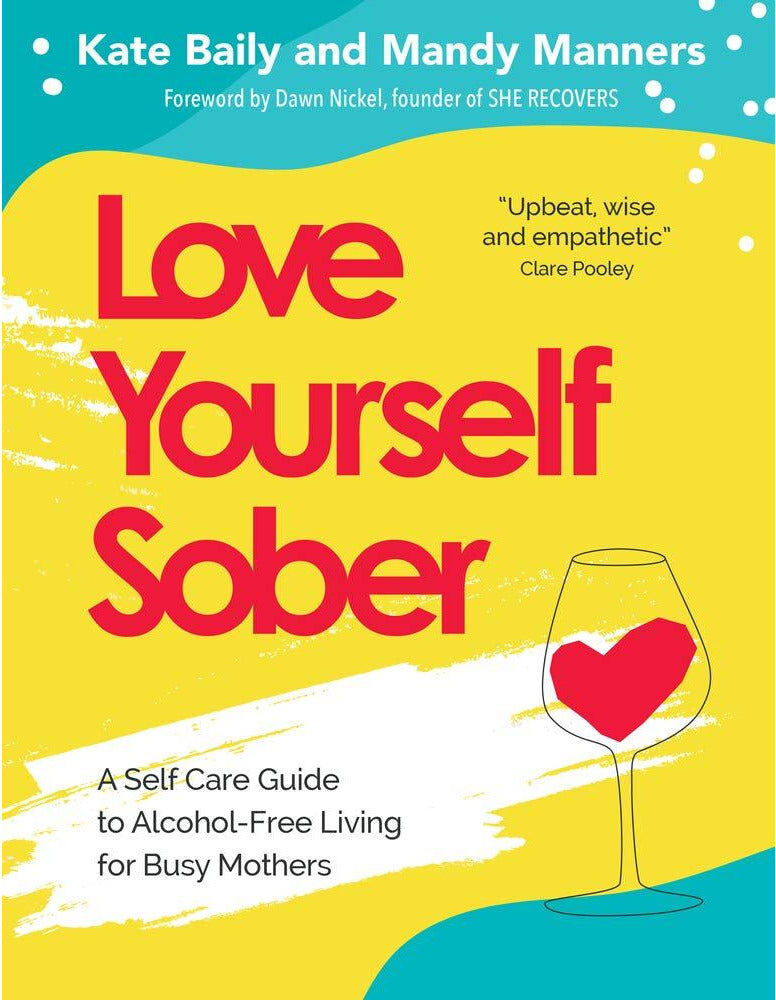
Trigger Publishing Love Yourself Sober: A Self Care Guide To Decreasing Alcohol Intake For Busy MothersLove Yourself Sober: A Self Care Guide To Decreasing Alcohol Intake For Busy Mothers Are you sick of thinking about drinking? Have you tried to cut down or stop, but just can t seem to? Do you want to learn to love being sober? Now you can, with this empowering self-care guide at your side. This book is for anyone, whether they are sober-curious, already sober or considering becoming sober. Broken into four parts, you will discover, how to: Understand your relationship with alcohol, including grey-area drinking. Use the full sober toolkit to help you build and sustain your sober life. Stay sober, particularly on high days and holidays, and rediscover who you are without alcohol. Fine-tune your toolkit to make it perfect for you and your new life. Brimming with wellness strategies, exercises, tips and tools alongside coaching advice, you will learn how it feels to stop drinking and reclaim your wellbeing so you can bring your A game as mums and as women. It s time to get sober, stay sober, love sober.2,10 £*Shipping: 1,99 £Secure redirect to the provider
-
What is alcohol withdrawal?
Alcohol withdrawal is a set of symptoms that occur when a person who is dependent on alcohol suddenly stops or reduces their alcohol intake. These symptoms can range from mild to severe and may include anxiety, tremors, sweating, nausea, and in severe cases, seizures or delirium tremens. It is important for individuals experiencing alcohol withdrawal to seek medical help, as it can be dangerous and even life-threatening in some cases. Treatment for alcohol withdrawal may involve medications, therapy, and support to help manage symptoms and prevent complications. **
-
"Am I experiencing alcohol withdrawal?"
If you have recently stopped drinking alcohol and are experiencing symptoms such as tremors, anxiety, sweating, nausea, or insomnia, you may be experiencing alcohol withdrawal. It is important to seek medical advice if you suspect you are going through alcohol withdrawal, as severe symptoms can be dangerous and even life-threatening. Treatment and support are available to help you safely manage alcohol withdrawal and begin your journey to recovery. **
-
Am I experiencing alcohol withdrawal?
If you are experiencing symptoms such as tremors, sweating, anxiety, nausea, or insomnia after stopping or reducing your alcohol intake, you may be experiencing alcohol withdrawal. It is important to seek medical advice if you are unsure or if your symptoms are severe, as alcohol withdrawal can be dangerous and even life-threatening in some cases. Treatment and support are available to help you safely manage withdrawal symptoms and begin your recovery journey. **
-
"Am I going through alcohol withdrawal?"
If you are experiencing symptoms such as tremors, sweating, nausea, anxiety, or insomnia after stopping or reducing your alcohol intake, it is possible that you are going through alcohol withdrawal. It is important to seek medical advice if you suspect you are experiencing withdrawal symptoms, as severe alcohol withdrawal can be dangerous and even life-threatening. A healthcare professional can provide guidance on managing withdrawal symptoms safely and may recommend medical supervision or treatment to help you through the process. **
Similar search terms for Alcohol withdrawal
-
What is delirium during alcohol withdrawal?
Delirium during alcohol withdrawal, also known as delirium tremens (DT), is a severe form of alcohol withdrawal that can be life-threatening. It is characterized by sudden and severe confusion, disorientation, hallucinations, agitation, and tremors. Delirium tremens typically occurs in individuals who have been heavy and prolonged drinkers and suddenly stop or significantly reduce their alcohol intake. It is considered a medical emergency and requires immediate medical attention to prevent complications such as seizures, respiratory failure, and death. **
-
Can you undergo alcohol withdrawal with Pregabalin?
Pregabalin is not typically used to manage alcohol withdrawal symptoms. The mainstay of treatment for alcohol withdrawal is benzodiazepines, which are specifically designed to help with the symptoms of alcohol withdrawal. Pregabalin may be used for other conditions such as neuropathic pain or generalized anxiety disorder, but it is not considered a first-line treatment for alcohol withdrawal. It is important to consult with a healthcare professional for appropriate management of alcohol withdrawal symptoms. **
-
Can pregabalin be used for alcohol withdrawal?
Pregabalin is not typically used as a first-line treatment for alcohol withdrawal. Medications such as benzodiazepines are more commonly used to manage alcohol withdrawal symptoms due to their effectiveness in reducing the risk of seizures and other complications. However, pregabalin may be considered as an alternative treatment in some cases, especially for individuals who cannot tolerate or have contraindications to benzodiazepines. It is important to consult with a healthcare provider to determine the most appropriate treatment for alcohol withdrawal. **
-
What medications are available for alcohol withdrawal?
There are several medications available for alcohol withdrawal, including benzodiazepines such as diazepam, lorazepam, and chlordiazepoxide, which help to reduce withdrawal symptoms and prevent seizures. Other medications like anticonvulsants (e.g., carbamazepine, valproate) and beta blockers (e.g., propranolol) may also be used to manage symptoms like tremors and high blood pressure. In some cases, medications like naltrexone or acamprosate may be prescribed to help prevent relapse once the acute withdrawal phase is over. It is important to consult with a healthcare provider to determine the most appropriate medication regimen for each individual's specific needs. **
* All prices are inclusive of VAT and, if applicable, plus shipping costs. The offer information is based on the details provided by the respective shop and is updated through automated processes. Real-time updates do not occur, so deviations can occur in individual cases. ** Note: Parts of this content were created by AI.